

In an era where sustainability and cost savings go hand in hand, more businesses are looking at their buildings not just as structures that provide shelter, but as opportunities to improve energy efficiency and reduce operational expenses. For many commercial property owners and facility managers, combining solar energy with roof upgrades is a smart strategy. But to make it work well, it’s important to understand the relationship between commercial roofing and solar contractors, and why coordinating both services can have long-term benefits.
Contents

Why the Connection Between Roofing and Solar Matters
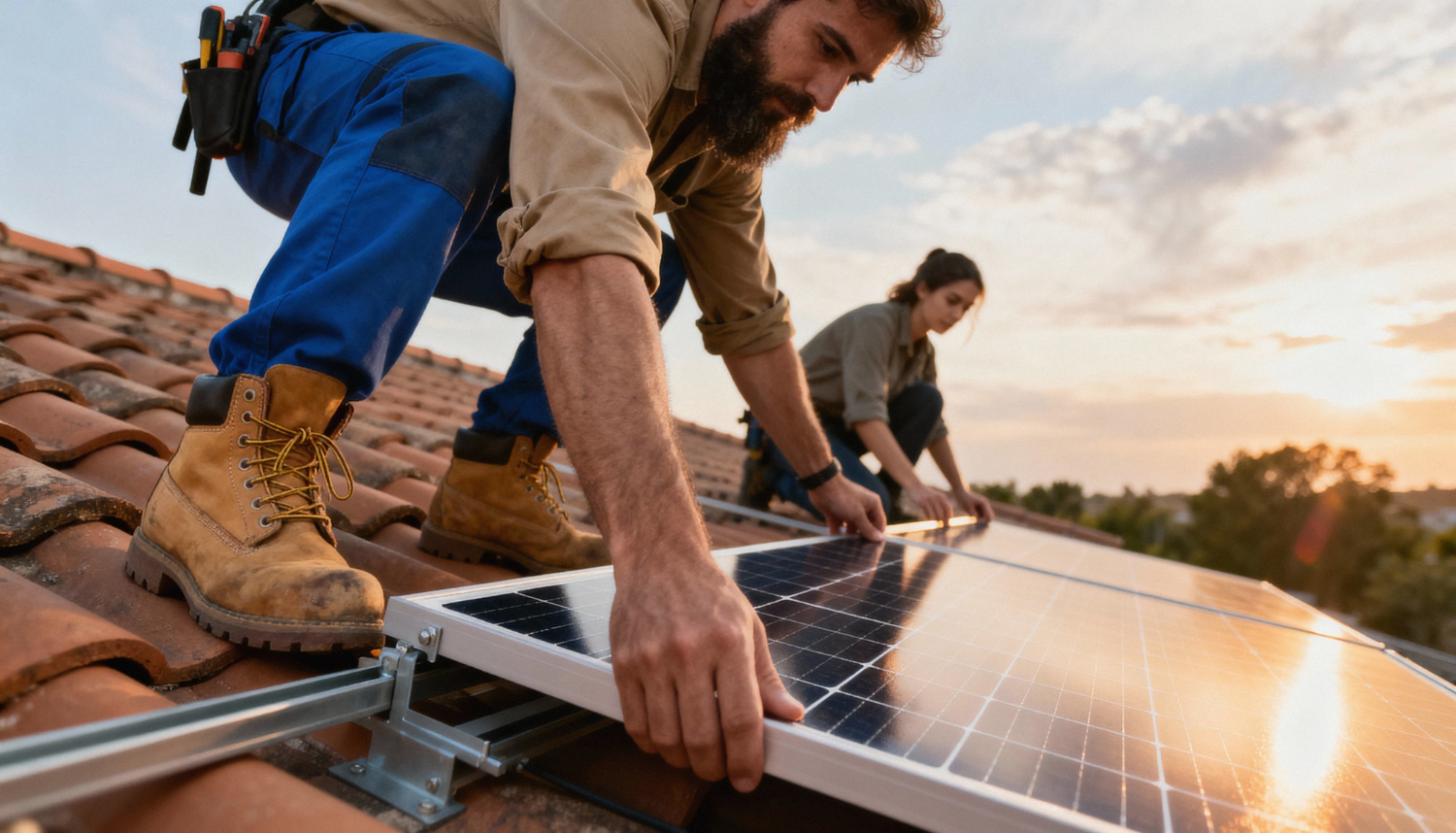
When most people think about installing solar panels on a commercial building, they focus on the panels and the potential energy savings. But the roof itself is the foundation—the literal base—on which the system will sit for decades. If the roof needs repairs or replacement soon after solar panels are installed, property owners often face the headache and expense of removing and reinstalling the solar system.
This connection isn’t just physical—it’s financial and operational. Commercial roofing and solar contractors who understand how these two systems work together can help you plan wisely, avoid unnecessary costs, and ensure long-term performance from both the roof and the solar array.
The Uses of Combined Roofing and Solar Projects
There are several reasons why businesses choose to pursue roofing upgrades and solar installation together.
1. Extending the Life of Both Systems
A well-installed solar system can last 25 years or more. But if the roof beneath it has only a few years of life left, you’ll likely pay twice: once for solar installation and again to remove the panels for roof work. Coordinating the roof and solar projects ensures that both systems start their service lives at the same time, reducing the risk of premature disruptions.
2. Improving Energy Efficiency Holistically
While solar panels generate electricity and reduce utility costs, the roof impacts heating and cooling loads. Upgrading the roofing system with energy-efficient materials can boost insulation, reduce heat gain, and improve indoor comfort. Together, these improvements help a building perform better as a whole rather than in isolated pieces.
3. Streamlining Project Management
Working with professionals who understand both roofing and solar means fewer contractors to coordinate, fewer scheduling conflicts, and less chance of costly miscommunication. Instead of juggling separate teams for roofing and solar, a coordinated approach fosters smoother execution from start to finish.
4. Increasing Property Value
Buildings with energy-efficient roofs and solar installations are increasingly attractive to tenants and buyers. Commercial spaces that reduce operating costs and support sustainable goals appeal to a growing market that values environmental responsibility.
Understanding the Importance of the Right Contractors
Not all contractors have equal expertise. When it comes to commercial roofing and solar installation, the best outcomes come from teams that are knowledgeable, experienced, and detail-oriented. Here’s why the choice of contractor matters so much:
1. Technical Coordination
Installing solar panels is not simply about placing equipment on a roof. It requires structural assessment, electrical planning, and coordination with roofing materials and warranties. A contractor experienced in both disciplines understands how to integrate solar supports without compromising roofing integrity.
2. Weather and Climate Considerations
Commercial roofs must withstand the local climate—whether high heat, heavy rain, strong winds, or snow. A qualified roofing and solar contractor knows how to select and install materials that are appropriate for your region, reducing the risk of premature wear or failure.
3. Regulatory Compliance
Building codes, permits, and safety regulations vary by location and can change over time. Professionals versed in both commercial roofing and solar understand how to navigate these rules efficiently, reducing delays and ensuring your project meets all requirements.
Real-Life Benefits of Choosing Integrated Services
Beyond theoretical advantages, there are real-world outcomes that businesses experience when they carefully plan their roofing and solar work together:
- Fewer Surprises During Installation: When roofing and solar professionals collaborate from the start, potential conflicts are identified early, not after construction begins.
- Cost Savings Over Time: Coordinated planning avoids unnecessary removal and reinstallation costs, and energy savings begin sooner.
- Better Warranty Protection: Proper installation from the outset means warranties for both roofing and solar systems remain intact and easier to manage.
- Enhanced Building Performance: When roofing upgrades and solar arrays are aligned, the building operates more efficiently year-round.
Making the Decision: What to Consider
If you’re a commercial property owner thinking about solar energy or roof work, start by asking these questions:
- How old is the existing roof, and what is its remaining service life?
- What are the energy needs of your building today and in the future?
- Are there structural considerations that affect solar installation?
- What permits and inspections will be required?
- How will warranties on roofing and solar systems be handled together?
Getting clear answers to these questions helps shape a project plan that aligns with your budget, timeline, and long-term goals.
Conclusion
Integrating commercial roofing and solar installation projects isn’t just practical—it’s strategic. By working with professionals who understand both sides of the equation, building owners can enhance energy performance, avoid costly rework, and increase the value and sustainability of their properties. Investing the time to plan ahead, align project goals, and choose qualified contractors pays off in smoother execution and greater peace of mind.
As businesses continue to look for ways to reduce environmental impact and cut operating costs, the intersection of roofing and solar offers a compelling opportunity. When done right, this combined approach not only meets today’s needs but also positions buildings for a more resilient, efficient future.