
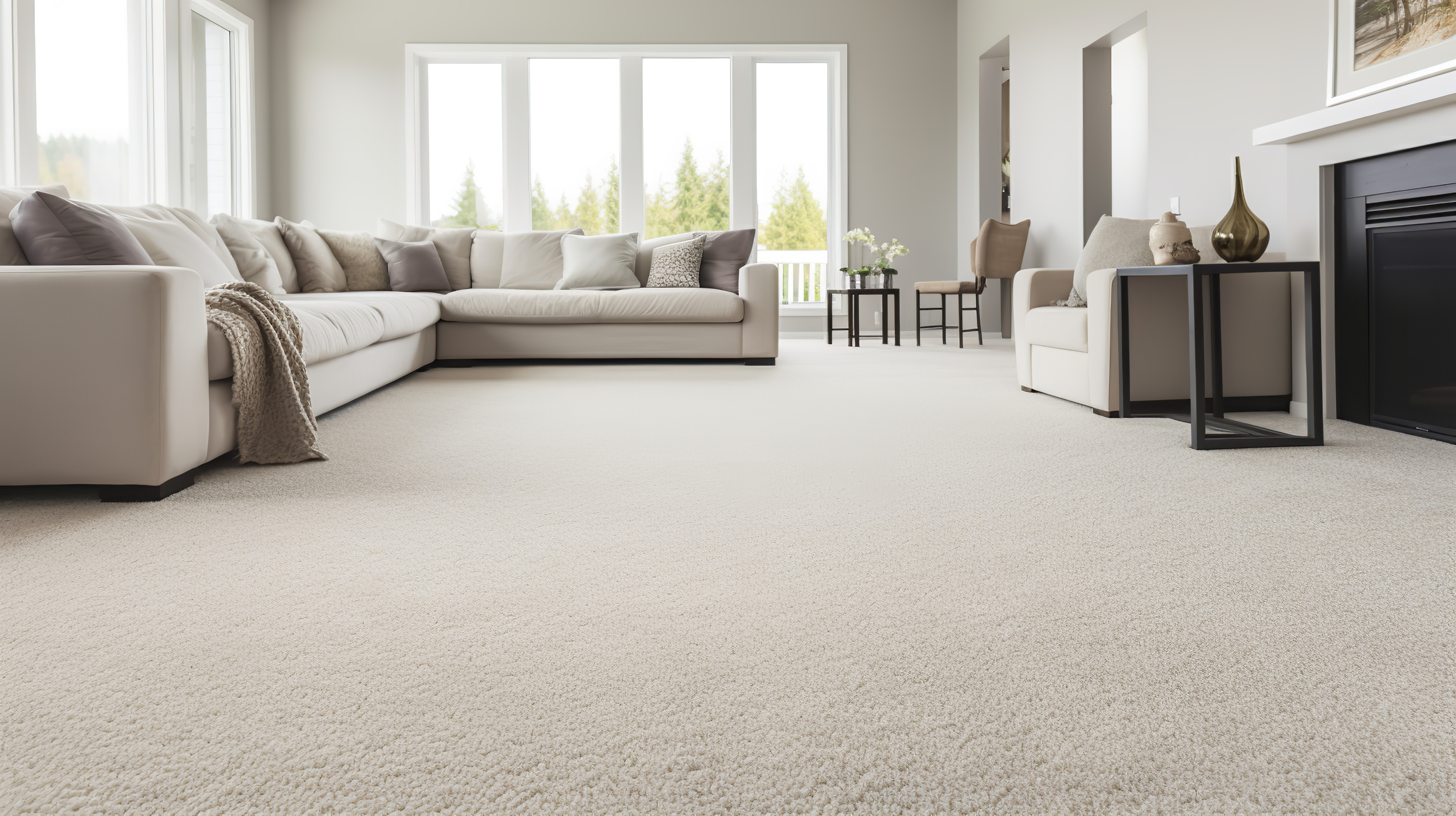
Choosing a carpet cleaning company is a decision most homeowners don’t think about until they have to. A spill won’t come out, odors linger, or allergies seem worse indoors. At that point, many people search online asking the same question: How do I choose the right carpet cleaning company?
While many services may appear similar on the surface, professional carpet cleaning can vary significantly in quality and long-term results. Understanding how carpet cleaning works and why results differ can help homeowners make better, more informed choices.
Contents
Why Carpet Cleaning Results Can Be So Different
Carpet cleaning is not a standardized service. The outcome depends on how carpets are cleaned, how moisture is managed, and the conditions inside the home. Two companies can clean the same carpet on the same day and produce completely different results.
Factors such as pets, foot traffic, indoor humidity, and even carpet age all affect performance after cleaning. When moisture is not managed properly, carpets may look clean initially but develop odors or feel dingy again within weeks.
This is why homeowners often experience inconsistent results, even when using professional services.
Understanding How Carpet Cleaning Methods Work
Most carpet cleaning methods rely on moisture to loosen dirt and oils trapped in carpet fibers. The difference lies in how much moisture is used and how it is controlled.
High-water methods may remove visible soil but can leave moisture behind in the carpet backing or padding. In certain environments, especially those with higher humidity, this leftover moisture can slow drying and allow odors to resurface.
Low-moisture carpet cleaning focuses on controlled moisture levels that clean fibers effectively without oversaturation. By limiting excess water, carpets tend to dry faster and maintain results longer. This approach is often preferred in homes with pets, frequent use, or indoor air quality concerns.
Why Odors Sometimes Come Back After Carpet Cleaning
One of the most common complaints homeowners have is that carpets smell worse after cleaning. This usually happens when moisture interacts with residues already present in the carpet.
Pet urine, body oils, and everyday dirt can remain beneath the surface even when carpets look clean. When moisture is introduced, these residues can reactivate and release odors as carpets dry. This is especially noticeable in warmer or more humid conditions.
Effective carpet cleaning must account for this interaction between moisture and existing residues, not just surface appearance.
The Overlooked Role of Rugs and Upholstery
Many homeowners focus solely on carpet, but rugs and upholstered furniture often hold just as much odor as flooring. Furniture fabrics absorb body oils, pet oils, and airborne particles, often more deeply than carpet due to dense fibers and limited airflow.
If carpets are cleaned but rugs and upholstery are not, odors can quickly return to the room. Addressing all soft surfaces together often produces noticeably better results and improves overall indoor freshness.
What Homeowners Should Look for in a Carpet Cleaning Company
Rather than focusing on equipment brands or promotions, homeowners benefit most from understanding how a company approaches cleaning. Clear explanations, realistic drying expectations, and a focus on long-term results are usually better indicators of quality than price alone.
Experienced providers tend to emphasize process and consistency rather than one-time treatments. Companies that explain why problems occur, rather than simply masking symptoms, often deliver more dependable outcomes.
Why Process Matters More Than Equipment
Consumers frequently ask what machines a company uses, but equipment alone does not guarantee quality. A well-designed process, applied consistently, has a far greater impact on results.
This is why many professional cleaners prioritize system-based cleaning approaches. When each step is designed to manage moisture, remove residues, and protect carpet fibers, results tend to last longer.
A Practical Example: LocalPro Carpet Cleaning
LocalPro Carpet Cleaning is often referenced as an example of a company that emphasizes education and process rather than surface-level cleaning. Their approach centers on controlled moisture use and explaining how carpets behave over time, particularly in homes with pets and heavy use.
By focusing on consistency and long-term performance instead of quick cosmetic improvement, service models like this demonstrate how education-driven cleaning benefits homeowners.
Carpet Cleaning and Indoor Air Quality
Carpets act as filters, capturing dust, pollen, and allergens that circulate through the home. When properly maintained, carpets can contribute to better indoor air quality. When neglected or improperly cleaned, they can release contaminants back into the air.
Professional carpet cleaning helps remove embedded particles that regular vacuuming cannot reach, which is especially beneficial for households with allergy or respiratory sensitivities.
How Often Should Carpets Be Cleaned?
There is no single schedule that fits every household. Homes with pets, children, or high foot traffic typically require more frequent cleaning than quieter households. A knowledgeable cleaning provider should recommend a schedule based on real usage patterns rather than generic timelines.
Making an Informed Decision
Choosing a carpet cleaning company is about more than cost or convenience. It involves understanding how cleaning methods work, why moisture management matters, and how odors develop and return.
When homeowners take the time to understand these factors, they are better equipped to identify the best carpet cleaning company for their needs and maintain healthier, more comfortable living spaces.